The best stops on the Wild Atlantic Way
If you're choosing what not to miss, these are the headline stops from north to south.
1. Slieve League, Donegal
Among the highest sea cliffs in Europe — taller than the Cliffs of Moher, and far quieter. A dramatic, remote start to the route.
2. Downpatrick Head, Mayo
A sea stack standing off a grassy clifftop, with blowholes and big Atlantic drama.
3. Achill Island, Mayo
Ireland's largest island, joined to the mainland by a bridge, with the stunning Keem Bay beach.
4. Connemara, Galway
Bog, mountains and the lakeside Kylemore Abbey — the rugged, Irish-speaking heart of the west. It's a full day from Dublin, but one of the most photogenic on the route, and easy to pair with Galway City.
Best from Dublin
From Dublin: Kylemore Abbey, Connemara, Killary Fjord & Galway
★ 4.0 (303 reviews) From $104 full day · from Dublin
5. Galway City
The cultural capital of the west coast: music, colourful streets and the natural base for exploring the central route.
6. The Cliffs of Moher, Clare
The single most famous stop on the entire Wild Atlantic Way — a wall of rock rising to around 214 metres straight out of the Atlantic. If you only see one thing on the route, see this.
The route's headline stop
Dublin: Cliffs of Moher, Atlantic Edge & Galway City Day Tour
★ 4.7 (5,240+ reviews) From $86 13 hours · from Dublin
The Cliffs of Moher are the most-visited stop on the whole Wild Atlantic Way. See them on a guided tour from Dublin, with the Burren and Galway included.
New here? Read the full Cliffs of Moher from Dublin guide, or the shorter option in our Cliffs of Moher from Galway guide.
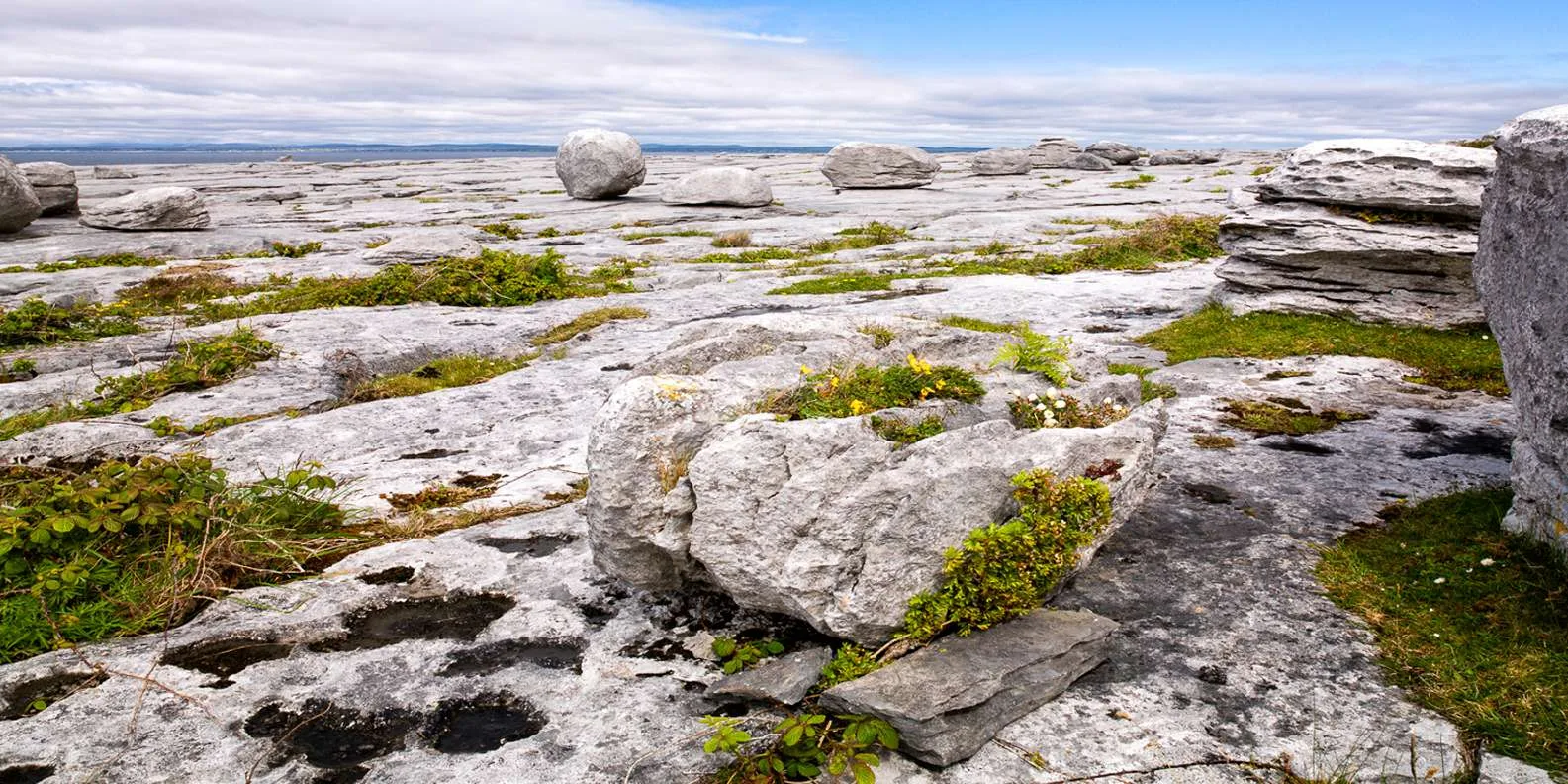
7. The Burren, Clare
A vast limestone moonscape beside the cliffs — bare grey terraces, rare flowers and ancient tombs. Unlike anywhere else in Ireland.
8. Loop Head, Clare
A quieter lighthouse-tipped peninsula south of the cliffs, with cliff walks and far fewer visitors.
9. The Dingle Peninsula, Kerry
Arguably the most beautiful peninsula drive in the country — Slea Head, beehive huts and ocean views at every turn.
10. The Ring of Kerry & Mizen Head, Kerry/Cork
The classic southern loops, and the most south-westerly point of the route.
Driving the Wild Atlantic Way
The route is designed to be driven north to south or south to north, following the blue signs. A few practical notes:
- Direction: Driving north to south keeps you on the coastal side of the road for the best sea views.
- Roads: Many coastal roads are narrow and winding. Allow far more time than the distance suggests.
- Time: Driving the entire route comfortably takes around 10–14 days. Most visitors do a section in 3–7 days.
- No car? You can still experience the best of the central route — the Cliffs of Moher, the Burren and Galway — by guided tour from Dublin or Galway, with the driving handled for you.
No car, no problem. If you'd rather not drive at all, a multi-day guided tour covers several Wild Atlantic Way highlights back to back without you ever taking the wheel.
Multi-day option · no driving
Ireland: 2-Day Wild Atlantic Way Tour
(99 reviews) From $229 2 days · from Dublin
A guided overnight tour that strings together several Wild Atlantic Way stops — the Burren and Cliffs of Moher country included — without needing to hire a car.
A 7-day Wild Atlantic Way itinerary
A week is enough to drive the central and southern route and see the headline stops without rushing. Here's a balanced plan.
- Day 1 — Galway City. Arrive, settle in, explore the medieval streets, live music and the bay. Galway is your base for the central route.
- Day 2 — Connemara & Kylemore Abbey. A loop into the mountains and bog of Connemara, with the lakeside abbey as the centrepiece.
- Day 3 — Cliffs of Moher & the Burren. The route's signature day: the coastal road south through the Burren's limestone landscape to the Cliffs of Moher. Allow 1.5–2 hours at the cliffs.
- Day 4 — Loop Head & Clare coast. A quieter day exploring the Clare peninsula, lighthouse and cliff walks south of the crowds.
- Day 5 — Dingle Peninsula. Drive south into Kerry and around Slea Head — for many, the most beautiful day of the trip.
- Day 6 — Ring of Kerry. The famous loop around the Iveragh Peninsula, with mountains, lakes and coastal views.
- Day 7 — Mizen Head & West Cork. Finish at the south-western tip, then wind down through the harbours and villages of West Cork.
Tight on time? If you can't drive the whole route, the Cliffs of Moher and the Burren (Day 3) are the stretch most people remember. You can do it as a single day tour from Dublin or Galway. See the featured tour above.
Check dates & prices — Cliffs of Moher, Connemara and multi-day Wild Atlantic Way tours
The best time to drive the Wild Atlantic Way
Late spring (May–June) and early autumn (September) are ideal: long daylight, milder crowds and a good chance of clear coastal views. Summer is busiest and warmest; winter is dramatic but wet and windy, with short days and some closures. Whatever the season, Atlantic weather changes fast — pack layers and waterproofs, and build flexibility into your plans.
The bottom line
The Wild Atlantic Way is too long to see in one trip — and that's fine. Pick a section, take your time, and make sure the Cliffs of Moher and the Burren are on your list, because they're the most spectacular and accessible stretch of the whole route. If you've got a week, the central-to-southern itinerary above hits the highlights. If you've only got a day, a guided tour to the cliffs is the route in miniature.
FAQ: The Wild Atlantic Way
What is the Wild Atlantic Way?
It's a signposted coastal touring route running about 2,500 km along Ireland's west coast, through nine counties from Donegal to Cork. It links the region's best cliffs, beaches and villages into one continuous trail.
How long does it take to drive the Wild Atlantic Way?
Driving the entire route comfortably takes around 10–14 days. Most visitors drive a single section in 3–7 days rather than the whole thing.
What are the best stops on the Wild Atlantic Way?
The headline stops include Slieve League, Connemara, Galway City, the Cliffs of Moher, the Burren, the Dingle Peninsula and the Ring of Kerry. The Cliffs of Moher are the most-visited stop on the entire route.
Can you do the Wild Atlantic Way without a car?
You can't easily drive the full route without a car, but you can experience its most famous stretch — the Cliffs of Moher and the Burren — by guided tour from Dublin or Galway, with the driving handled for you.
Which section of the Wild Atlantic Way is best?
For first-time visitors, the central stretch through Galway and Clare — the Cliffs of Moher, the Burren and Connemara — offers the best mix of iconic scenery and easy access.
When is the best time to drive the Wild Atlantic Way?
Late spring and early autumn give the best balance of long daylight, milder crowds and clear views. Pack layers and waterproofs in any season, as Atlantic weather changes quickly.
Is the Wild Atlantic Way worth doing if I only have a few days in Ireland?
Yes. You don't need the whole route to get the experience — the central Galway-to-Clare stretch, especially the Cliffs of Moher and the Burren, delivers the Wild Atlantic Way's signature scenery in a single day, easily done as a guided day tour from Dublin or Galway. See our guide to what to do in Dublin if you're planning the rest of your trip around the city.