Planning Guide

Best Time to Visit the Cliffs of Moher: Best Month & Time of Day

The Cliffs of Moher are open 362 days a year, so the real question isn't whether you can visit but when. This guide covers the best month, the best time of day, live daylight and weather for your own date, and when Atlantic storms can close O'Brien's Tower.

Check live wind, rain and temperature for your own travel date in the planner below.

Open: 362 days a year Best overall: May & June Busiest hours: 11am–4pm
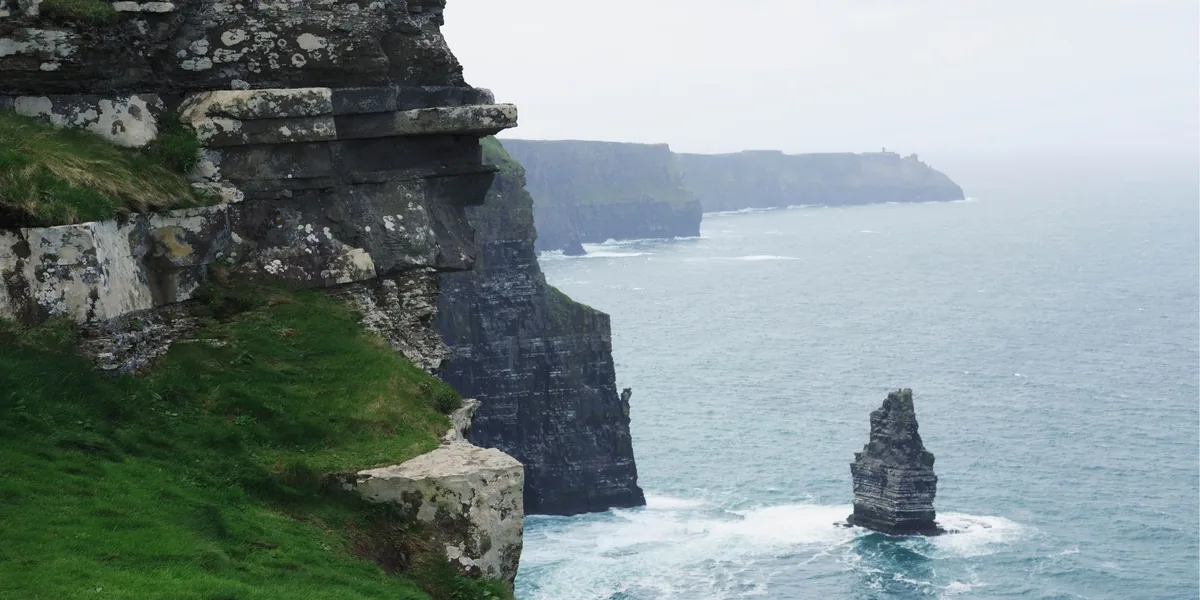
Misty, changeable weather over the Cliffs of Moher and a sea stack on the Atlantic, showing how fast conditions can shift at the cliffs
Hazy one hour, clear the next: Atlantic weather at the cliffs changes fast, which is exactly why the forecast for your own date matters more than the month.

This page contains affiliate links. If you book through them, we may earn a commission at no extra cost to you. We only recommend tours that fit the advice on this page.

The Cliffs of Moher Experience is open 362 days a year, but the quality of your visit depends more on the day's weather than on the season. Season mainly decides your odds of a dry, clear day, and opening hours run shorter in winter than in summer. The forecast for your date tells you whether fog, rain or strong Atlantic wind will affect what you can see. Most rain will not stop a visit, but severe wind or other hazardous weather can restrict access, close O'Brien's Tower, or in extreme conditions close the site.

For most visitors, May and June offer the best overall balance. May is one of the two driest months on record, June has the longest daylight of the year, and both come before the July–August peak season. If you'd rather trade some of that daylight for fewer people, September keeps mild temperatures with much lighter crowds, and April is cooler again but quieter still. Whichever month you visit, aim for the first hour after opening or the last two hours before closing, when the site is quieter, cheaper and better lit. Then check the forecast for your own date — visibility and wind can matter more than the month itself.

Best overall months
May and June
Quieter shoulder season
April or September
Fewer crowds, lower price
Opening hour or after 4pm
Best light for photos
Late afternoon / sunset
Exact-date checks
Visibility, wind, rain
Severe weather
Check live status before you go
  • Driest months: April & May, ~62–63mm rain each
  • Longest daylight: up to 16h 54m in June
  • Ticket price & crowds step up: 11am–4pm daily
Check Availability
Рowered by GetYourGuide

Check Your Own Date

Live weather for the next 16 days, or the long-term average further out, and the card always says which you're looking at.

Typical for mid-September

No JavaScript detected, so this shows the Met Éireann long-term average for September, not a forecast.

Average temperature14.2°C
Average rainfall77.4 mm
Daylight (mid-month)12h 45m

Pick a date above for a live forecast, or check cliffsofmoher.ie directly closer to your trip.

Check Availability

How the Cliffs of Moher change through the year

The month doesn't decide whether you get a clear view — the forecast for your actual date does that. What the month changes is your odds of a dry, clear day, plus three practical things: how much daylight you get, how many people are on the path with you, and how far the operator's online ticket price climbs for the busiest slots. May and June carry the best odds and the longest daylight — May sits among the two driest months at the nearest weather station, June brings up to 16 hours 54 minutes of daylight, and neither has yet reached the July–August rush, when overnight stays in County Clare run highest. The trade-off is that early summer already runs on the extended 08:00–21:00 opening hours, so the car park and paths are busier than in winter, just not as busy as high summer.

The rainfall figures below are a monthly total, not a daily rate — 63mm across all of May does not mean every day is wet, and in practical terms it means fewer rainy spells overall than in November or December, when the total is closer to double. Treat the numbers as a guide to the general pattern rather than a promise about any one day.

September keeps most of that daylight and mild weather while the school-holiday crowds thin out; April offers something similar ahead of the season, with slightly cooler air and a shorter day. Winter, from November to February, is the quietest and starkest version of the cliffs — short days, the lowest ticket-price band, and the best chance of a genuinely dramatic, stormy sea — but it also carries the highest chance that O'Brien's Tower or the outer path will be closed for wind.

MonthAvg. rainfallAvg. temperatureDaylightOpening hours
January103.8mm6.2°C8h 06m09:00–17:00
February86.7mm6.5°C9h 52m09:00–17:00
March75.8mm7.6°C11h 47m08:00–19:00
April62.3mm9.6°C13h 56m08:00–19:00
May63.1mm12.2°C15h 48m08:00–21:00
June69.6mm14.6°C16h 54m08:00–21:00
July75.8mm16.1°C16h 27m08:00–21:00
August87.6mm15.9°C14h 48m08:00–21:00
September77.4mm14.2°C12h 45m08:00–19:00
October95.5mm11.2°C10h 41m08:00–19:00
November106.6mm8.4°C8h 43m09:00–17:00
December115.4mm6.6°C7h 37m09:00–17:00*

Rainfall and temperature: Met Éireann, Shannon Airport, 1991–2020 average. Daylight: computed for the cliffs' own coordinates, mid-month. Opening hours: cliffsofmoher.ie. *Closed 24–26 December.

Puffin tip: if you're timing your trip around wildlife more than weather, May and June still win — see the puffins and seabirds section below.

Best time of day to visit

Once the day's weather is settled, time of day is what decides how busy, expensive and well-lit your visit feels — and it works the same way in every season. The operator's own online ticket price rises for the 11am–4pm slot, which is also when the car park fills and most coach tours — including full-day trips from Dublin and Galway — are on site. Arrive in the first hour after opening, or in the last couple of hours before closing, and you'll generally find the paths far less crowded.

Light matters too. The cliffs face almost due west across the open Atlantic, so the sun swings around and behind you through the afternoon instead of into your eyes, and the last hour or two before closing tends to give the richest light for photos, especially from spring to autumn when the site stays open into the evening. The operator's own site actively promotes evening visits for exactly this reason — fewer visitors, shorter queues, and what it calls "the play of light" over the Atlantic. In winter, when the site closes at 17:00, arrive well before the light starts to fade — don't count on an evening visit.

Puffins and seabirds

The Cliffs of Moher host one of Ireland's most important seabird colonies, and the mix on the ledges changes through the year. From late February, guillemots, razorbills and other seabirds start returning from their winter feeding grounds out at sea. Puffins usually arrive at the end of March and nest from late May to mid-July, so May and June give you the best chance of seeing them — look from the South Platform, overlooking Goat Island, and visit early morning or evening when they're most active near their burrows.

A sighting is never guaranteed, and by late summer most puffins have already gone back out to sea for the winter, so treat this as a bonus reason to choose May or June, not the main one.

Weather, wind and when the cliffs close

Atlantic weather at the cliffs can change fast: a foggy morning can turn clear by afternoon, and the reverse happens just as often. Fog and low cloud are the more common problem for a first-time visitor, simply because they hide the view the whole trip is built around. There is no warning system for fog the way there is for wind, so the forecast for your own date is the only real check. If fog does spoil your view and you're staying in the area, the operator lets you reuse your ticket within the next 24 hours.

The site itself uses Met Éireann's three-tier wind-warning system, and each tier means something different for your visit. Under Status Yellow, winds are strong and you're asked to take extra care on the cliff-side paths and viewing platforms, but the site stays open. Status Orange means conditions are judged too hazardous to visit, and the site is closed or preparing to close and evacuate. Status Red means it's already closed, with staff and visitors evacuated. That's a decision made on the day, not a seasonal rule, though severe wind warnings are issued more often from autumn into winter than in summer.

O'Brien's Tower has its own separate rule: it can close on any day for weather or operational reasons, so check with staff on arrival for that day's hours. A site closure doesn't cancel the rest of a day tour, either — the Burren coastal drive and Galway City are unaffected. For your own safety, stay on the paved path and behind the barriers at all times — sections of the cliff edge are unfenced, and the operator's own guidance is never to cross a wall or barrier for a photo.

Check the live forecast for your exact date in the planner above before you travel, especially between October and February.
Check dates & prices for the Dublin day tour

Рowered by GetYourGuide

FAQ: Best Time to Visit the Cliffs of Moher

What is the best time of day to visit the Cliffs of Moher?

Early morning, right after opening, or the last couple of hours before closing. Most coach tours are on site between 11am and 4pm, which is also when the operator's own online ticket price is highest, so arriving outside that window is both quieter and cheaper. The cliffs face due west over the Atlantic, so the light is usually better away from the middle of the day too.

What is the best month to visit the Cliffs of Moher?

May and June give the best overall balance: May is one of the two driest months on record, June has the longest daylight of the year, and both come before the July–August peak season. September and April are good alternatives if you'd rather have fewer people around and don't mind slightly shorter daylight.

Are the Cliffs of Moher open all year?

Yes — the Cliffs of Moher Experience is open 362 days a year, closing only on 24, 25 and 26 December. Opening hours are shortest in January, February, November and December (09:00–17:00) and longest from May to August (08:00–21:00).

What happens if it's foggy or rainy?

Rain and fog don't close the site, but they can hide the view — the cliffs are exposed and Atlantic weather can change within an hour. The indoor Atlantic Edge exhibition and theatre are a good fallback if the outdoor visibility is poor, and many visitors find low cloud and mist add their own dramatic atmosphere.

When can you see puffins at the Cliffs of Moher?

Puffins usually arrive at the end of March and nest from late May to mid-July, so May and June give you the best chance of seeing them, from the South Platform overlooking Goat Island. A sighting is never guaranteed — check the operator's own bird-watching page before you go if this is a priority for your trip.

Are the Cliffs of Moher dangerous?

The official paths and viewing points are safe if you stay behind the barriers and off the grass edges, which are unfenced in places and can be slippery in wet or windy weather. The operator's own safety guidance is to stay on the designated path at all times and never go beyond a wall or barrier for a photo.

Does high wind close the Cliffs of Moher?

It can. In a Met Éireann orange or red wind warning, the operator can close O'Brien's Tower and the most exposed sections of the coastal path for safety. This is a day-by-day decision rather than a seasonal one, though it happens more often from autumn into winter — check the live conditions for your date in the planner above.

How do I check the weather at the Cliffs of Moher before I go?

Use the date planner above for a live forecast inside the next 16 days, or check cliffsofmoher.ie directly closer to your visit. Outside that window, the monthly averages in this guide are the best planning estimate, since no single forecast can be trusted more than a week or two out.

How we know

  • Rainfall and temperature: Met Éireann, Shannon Airport synoptic station, 1991–2020 long-term average — the nearest official station with published normals, about 30km inland/south-east of the cliffs. No official monthly wind average is published for either location, which is why wind is checked live rather than quoted as a monthly figure.
  • Daylight: computed for the cliffs' own coordinates using a standard solar-position calculation, not observed — expect it to agree with a phone app to within a few minutes.
  • Live forecast: Open-Meteo, refreshed for the date you choose. Wind-warning thresholds are Met Éireann's own published criteria for orange and red wind warnings.
  • Opening hours, admission, evening-visit guidance and the fog ticket-reuse policy: cliffsofmoher.ie, checked September 2026.
  • The Status Yellow / Orange / Red wind-warning tiers and what each means on site: cliffsofmoher.ie's own weather guidance, checked September 2026.
  • Visitor numbers and seasonal patterns: Cliffs of Moher Experience Activity Report 2024, Clare County Council / National Centre for Tourism Policy Studies.
  • Puffin and seabird seasons: cliffsofmoher.ie's own bird-watching page.
  • Limits: rainfall and temperature come from a station about 30km from the cliffs themselves, which stand directly over the open Atlantic — expect more wind, and possibly more rain, at the cliffs than the station records. These monthly figures cannot tell you what a single day will bring; they are long-term averages, not a forecast, and say nothing about how many of those days were actually wet. Check the live planner above for your own date. No published monthly visitor split exists for the site, so the crowd guidance here is based on the operator's own extended opening hours and overnight-stay data, not a month-by-month headcount — that data is a proxy for demand, not a direct count of people on the path.

Ready to Pick Your Date?

Whenever you visit, the easiest way to see the Cliffs of Moher is a full-day guided tour that handles the driving and bundles in the Burren and Galway. Rated 4.7/5 by 5,240+ travellers, from $86 per person.

  • Free cancellation up to 24 hours before
  • 2 hours at the cliffs + Atlantic Edge access
  • Burren coastal drive & Galway City
  • Round-trip transport from Dublin
Check Availability

Popular tour — often sells out. Limited spots available each day.

From $86 / person Book now